Prostor
Prostor · Batumi and the coastEnglish and Russian

Websites for Batumi developers whose buyer is abroad

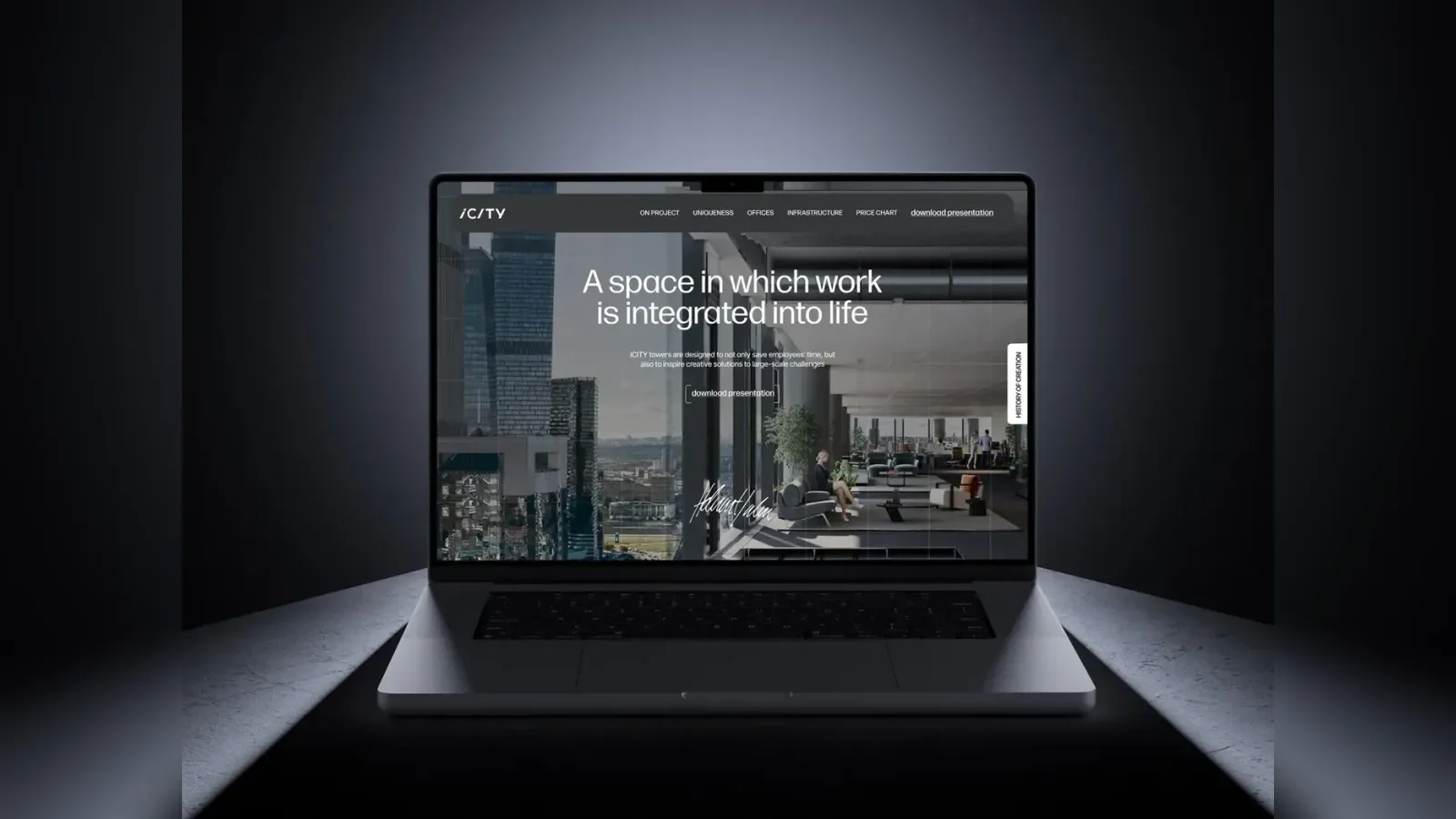
On the coast an apartment is bought as a return, usually without a visit. We build the site that has to do the viewing, the maths and the trust on its own.

from $3,000
projects
from 3 weeks
to a sales page
3 languages
on one data core

Why a Batumi site is not a Tbilisi site

In Tbilisi people buy somewhere to live. Here they buy a return, from another country, at midnight.

The buyer is not in the room
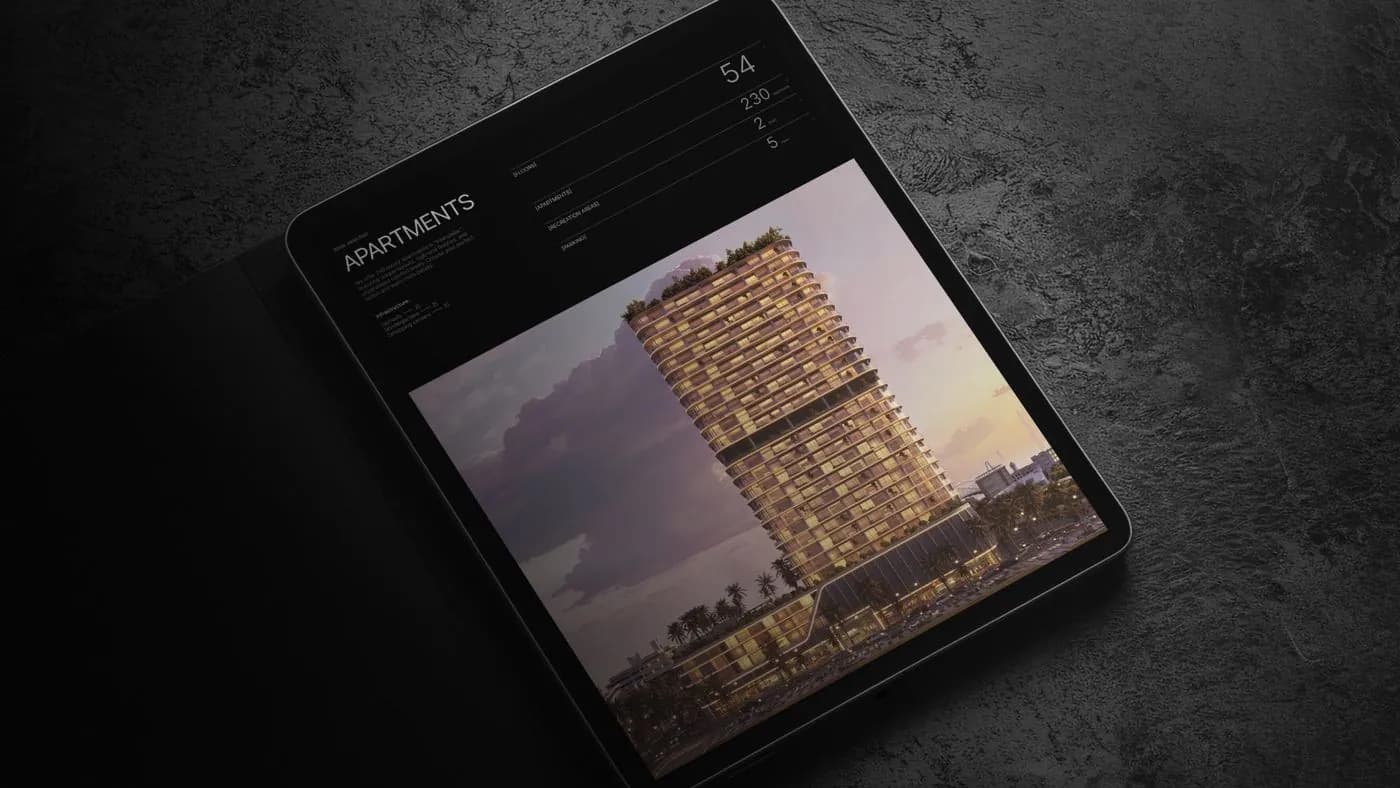
Most of a Batumi sale happens before anyone flies in. The site is the showroom, the sales office and the first viewing at once, and it is read at midnight from another time zone.
The question is yield, not layout
An investor is comparing your building to a deposit and to Dubai. If the numbers are not on the page — occupancy, season, management fee, what is left after it — the comparison happens somewhere else.
Three languages, not a flag switcher
English, Russian and Georgian buyers want the same facts in their own words. A machine-translated page reads as a risk to someone about to wire money abroad.
Trust has to be built by the site
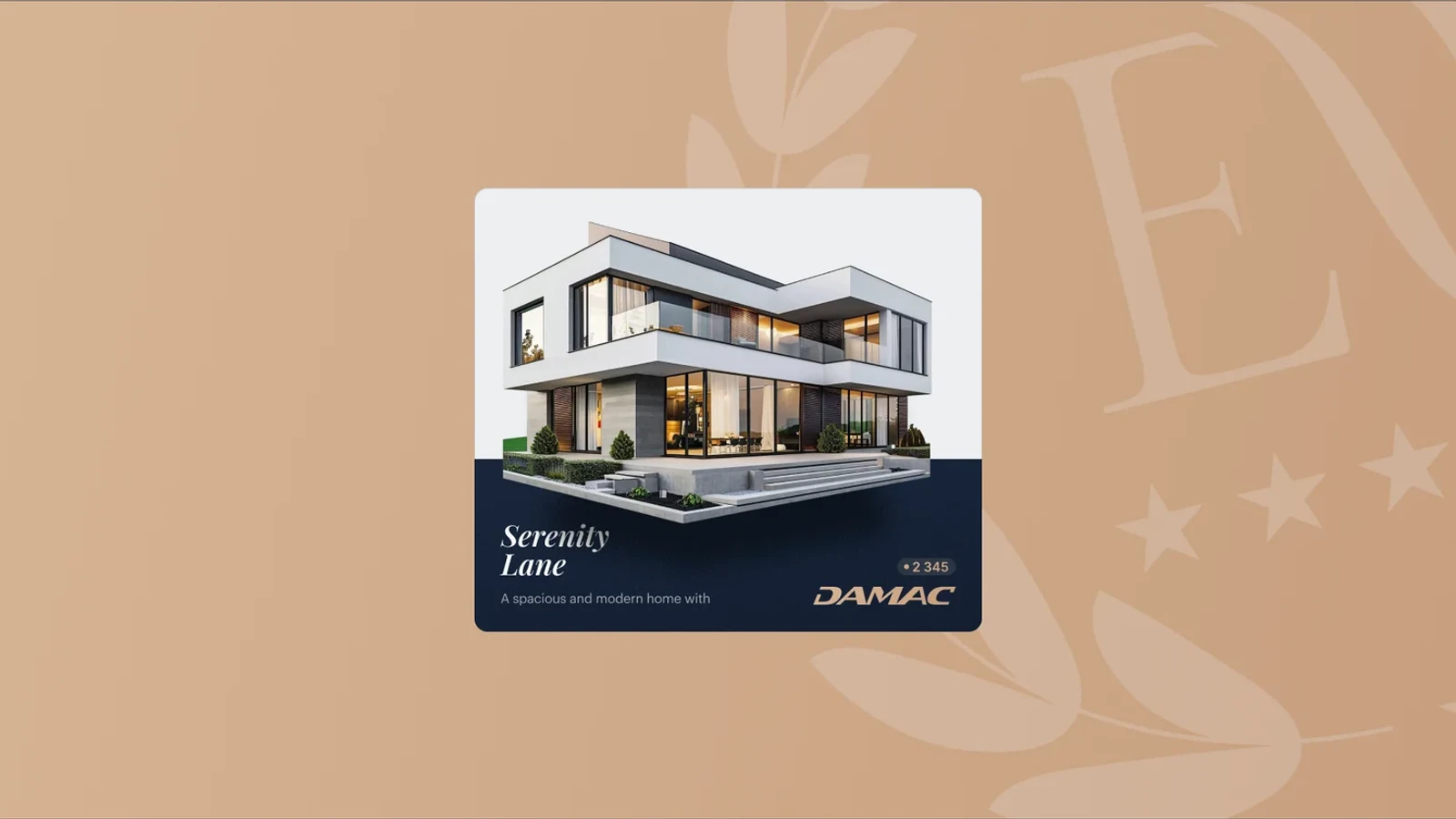
A buyer who has never been to Georgia is weighing a company they cannot visit. Construction progress, permits, the people behind the project and real photography do more than another render.

What we build for a coastal project

Four things that decide whether a remote buyer writes to you or closes the tab.

01
Investor maths on the page
Price, rental season, occupancy, management fee and what the owner actually keeps. A calculator the buyer can move, not a PDF to request.
02
Unit picker that works remotely
Floor, view, layout and price in one screen, with the sea line visible. The buyer should be able to shortlist three apartments without writing to anyone.
03
Construction progress, kept current
Dated photographs and a simple timeline. For a remote buyer this is the single strongest proof that the building exists.
04
Brand that survives the comparison
In a row of coastal projects with similar renders, the one that is remembered is the one with a position, not the one with a bigger hero image.

How we work

01
A 30-minute call
You tell us the project. We say honestly whether we are the right team for it.
02
A teardown, free
We go through your current site the way an investor from another country would, and send what we found.
03
Scope and estimate
A fixed scope, a visible timeline and a number that does not move mid-project.

Building in Tbilisi instead? See what we build for developers in Georgia, or go straight to what it costs.

Questions we hear before the first call

Do you work with developers outside Batumi?

Yes. Tbilisi, Gonio, Kobuleti and the coast in general. The work is the same, the buyer is different — in Tbilisi people are buying somewhere to live, on the coast they are buying a return.

How much does it cost?

From $3,000, most projects land between $5,000 and $12,000. What moves the number is on our pricing page.

Can you do the site in Georgian?

We design and build in English and Russian. For Georgian texts we bring in a native writer for the project, because a buyer reads the language rather than the layout.

We already have a site. Is it worth rebuilding?

Not always. Start with the free teardown — sometimes the answer is three changes to what exists, and we will say so.

How long does it take?

A sales page for one project, from three weeks. A brand together with a site, from two months. A compressed deadline is possible and costs more, because it means more people.

Tell us the task in four answers

Answer with the buttons or in your own words — that is enough for us to come to the call with thoughts instead of generic questions.

Ruslan Kochubarov
Ruslan Kochubarov
Founder, art director

Tell us about the task

Book a 30-minute call or leave a request — we reply within 30 minutes during working hours and send a brief and relevant examples.

Book a call

Projects from $3,000 · ongoing support from $1,500/mo

  1. Reply within 30 minutes
  2. A 30-minute call
  3. A scoped estimate